

pcos
-
PCOD Tests

Prolactin
What is Prolactin test? A prolactin test measures the amount of prolactin in your blood. Prolactin is a hormone produced…
Read More » -
PCOD Tests
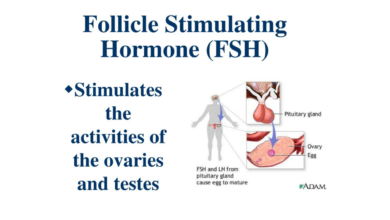
Follicle-Stimulating Hormone (FSH)
What is Follicle-Stimulating Hormone test? An FSH test measures the amount of follicle-stimulating hormone (FSH) in your blood. FSH is…
Read More » -
PCOD Tests

Luteinizing Hormone (LH)
What is Luteinizing Hormone test? A luteinizing hormone (LH) test measures the amount of LH in your blood. LH is…
Read More » -
PCOD Tests

Testosterone
What is Testosterone test? A testosterone test is a laboratory procedure used to measure the level of testosterone in the…
Read More » -
Myth: All women with PCOS will experience irregular periods.
Fact: Some women with PCOS may have regular periods, while others may experience infrequent or absent periods.
Read More » -
Myth: Once diagnosed, PCOS is a lifelong condition with no cure.
Fact: While there’s no cure, lifestyle modifications, medication, and sometimes surgery can effectively manage PCOS and its symptoms.
Read More » -
Myth: PCOS is caused by a poor diet.
Fact: While diet and lifestyle factors can influence PCOS symptoms, the underlying cause is a hormonal imbalance.
Read More » -
Myth: PCOS only causes infertility.
Fact: While infertility is a common symptom, PCOS can lead to a range of other health issues, including metabolic disorders,…
Read More » -
Myth: PCOS only affects women.
Fact: While PCOS primarily affects women, there are rare cases of PCOS in men known as Polycystic Ovary Syndrome (PCOS).
Read More » -
Myth: PCOS is a rare condition.
Fact: PCOS is one of the most common hormonal disorders affecting women of reproductive age.
Read More »